
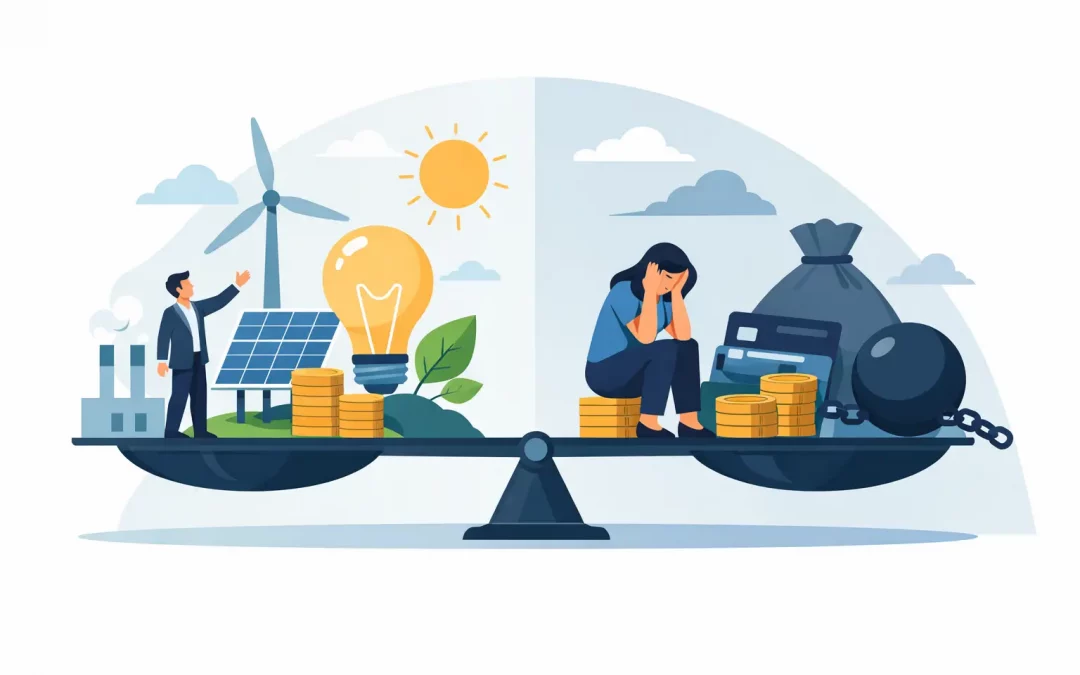
If you are behind on your petrol or electricity bills, the first question is usually simple: can you switch energy with debt? The short answer is yes, sometimes – but it depends on how much you owe, the type of meter you have, and whether your current supplier has started debt recovery.
That uncertainty puts a lot of households off. People assume debt means they are stuck, or that switching will make things worse. In reality, some customers can still move to a better tariff or a new supplier, and for others the best next step is clearing a block that is stopping the switch. Either way, knowing the rules can save time, stress and money.
Can you switch energy with debt in the UK?
In the UK, being in debt to your energy supplier does not always stop you switching. The main issue is whether the debt is attached to a standard credit meter or a prepayment meter, and how much is owed.
If you pay by monthly bill or Direct Debit and you have debt on your account, you may still be able to switch supplier. Suppliers do not automatically block every customer who owes money. However, if the debt is recent and unpaid, especially if it has been outstanding for less than 28 days, your current supplier may object to the transfer.
If you have a prepayment meter, the rules can be more favourable than many people realise. Under the Debt Assignment Protocol, you may be able to switch supplier and take the debt with you, as long as the debt is no more than £500 per fuel. That means up to £500 for petrol and up to £500 for electricity. The new supplier then collects the debt through your new prepayment arrangement.
So the answer to can you switch energy with debt is not a flat yes or no. It depends on your setup.
What happens if you owe money on a credit meter?
With a credit meter, the biggest factor is timing. If you have missed a payment and the debt is less than 28 days old, your supplier can usually block the switch. This is called an objection. It gives them a chance to collect what is owed before you leave.
If the debt is older, the situation can vary. Some suppliers may still allow the switch to go ahead and continue chasing the debt separately. Others may stop it until a payment plan is agreed. If the account has already moved into formal collections, that can add another layer of difficulty.
What matters most is not ignoring the problem. If you are open with your supplier and agree a repayment plan, you may improve your chances of switching later. It also helps protect you from extra charges, default notices or meter changes.
There is a trade-off here. Staying put while you sort the debt may feel frustrating if your tariff is expensive. But trying to switch without dealing with the debt first can lead to delays and more hassle.
If your account is in arrears but not in dispute
If you simply owe money and the billing is correct, your supplier is more likely to expect payment before letting you move. In many cases, paying the overdue amount or reducing it enough to meet the rules can get things moving again.
If you are disputing the bill
If you believe the debt is wrong, for example because of an estimated bill, a faulty meter or a missed payment not showing on the account, raise that quickly. A genuine dispute can affect whether the supplier objects to the switch. Keep records of meter readings, statements and any conversations.
Can you switch energy with debt on a prepayment meter?
Yes, often you can. This is one of the most useful protections for households on prepayment meters.
If you owe up to £500 for petrol or electricity on a prepayment meter, you may be able to switch under the Debt Assignment Protocol. Your debt moves to the new supplier, and you carry on repaying it through top-ups. That means debt does not always trap you with your current supplier.
This can be especially helpful if your existing supplier has poor customer service or your tariff is uncompetitive. Switching may not wipe out the debt, but it could give you access to a better deal and a more manageable service.
If the debt is above the limit, you will usually need to bring it down first. That could mean paying off part of it or asking your supplier about support options.
It is worth remembering that not every tariff or supplier will be available in every case. Your options may be narrower while debt is involved, but narrower does not mean none.
What can stop a switch?
A few common issues can block or delay the process. Debt is one of them, but not the only one.
A supplier may object if you have unpaid charges on a credit account, if your debt is too recent, or if there is an active issue with your account details. Wrong address information, mismatched names, or an open complaint about the meter can also slow things down.
For prepayment customers, the debt limit matters. Go above it and the switch is less likely to happen until the balance drops.
Sometimes people think they are in debt when they are simply in debit because of seasonal usage or a billing cycle adjustment. That is another reason to check the account carefully before assuming you cannot move.
What to do before trying to switch
The best approach is practical. Start by finding out exactly what you owe, whether the amount is correct, and what type of meter you have. A lot of confusion comes from not having that basic picture.
Then speak to your current supplier. Ask whether your account is eligible to switch and whether they would object. It is better to know early than to start an application that fails later.
If the debt is manageable, ask whether paying part of it would remove the objection. If it is not manageable, ask about a repayment plan, hardship support, or whether a prepayment route could help. Suppliers are expected to work with customers who are struggling, especially where affordability is an issue.
Once you know where you stand, comparing deals makes more sense. There is no pressure in checking what is available. The aim is to see whether switching now is realistic or whether a short-term fix will put you in a better position to switch soon.
Is switching always the best move?
Not always. A cheaper tariff can help lower future bills, but it does not make existing debt disappear. If your main problem is that your repayments are unaffordable, the first priority may be getting breathing space on the debt rather than moving supplier straight away.
That said, staying on an expensive tariff when a switch is possible is rarely ideal. Even modest monthly savings can help with day-to-day budgeting. For many households, the best outcome is a mix of both – agree a workable repayment plan and move to a tariff that costs less going forward.
This is where a simple comparison service can help cut through the noise. Energy Deals UK focuses on making that process easier, without adding pressure when money is already tight.
A few common misunderstandings
One myth is that any debt means you are banned from switching. That is not true. Another is that switching clears the balance. It does not. If you owe money, you will still need to repay it, whether to your old supplier or through your new one under the right scheme.
There is also confusion around smart meters. Having a smart meter does not automatically stop you switching with debt. The same basic debt rules still apply, although some account types and tariff setups can affect which suppliers are willing to take you on.
The key point is this: debt changes the process, but it does not always close the door.
When to get help quickly
If you are missing payments, self-disconnecting on a prepayment meter, or choosing between energy and other essentials, act sooner rather than later. Contact your supplier and ask about support. That might include repayment help, emergency credit, or a review of whether your current setup is suitable.
The longer debt sits without action, the fewer options you may have. A short conversation now can prevent a failed switch, added stress and a bigger bill later.
If you are wondering can you switch energy with debt, the right next step is usually not to guess. Check the balance, confirm your meter type, and see what options are open to you. Even if you cannot switch today, there is often a clear path to making it possible – and a cheaper deal may be closer than you think.